Alright, friends, let’s cut through the noise. I’m seeing the headlines, I’m getting the DMs – everyone’s asking about stimulus checks in November 2025. Are they real? Are we getting another round of that sweet, sweet government cash? The short answer is… probably not from Uncle Sam. But that’s not the end of the story, not by a long shot.
The internet is awash with rumors. Whispers of "$1,390 direct deposits" and "tariff rebates" are floating around like digital ghosts. The IRS is understandably cracking down on the misinformation, warning about scams and impersonators trying to snag your personal info. And honestly, good for them. It’s a digital Wild West out there, and we need sheriffs. Are we getting stimulus checks in November? Updated, IRS tax refund status, rebate check
State Stepping Up
But while the feds are quiet, something fascinating is happening at the state level. New Jersey is sending out ANCHOR property tax relief payments. New York, Pennsylvania, Georgia, and Colorado are offering inflation relief checks. These aren't just random acts of kindness; they're a sign of something bigger: states taking the initiative to address their residents' specific needs.
Think about it: a one-size-fits-all stimulus check from Washington D.C. is like a blunt instrument. It’s broad, it’s inefficient, and it doesn't always hit the mark. But these state-level programs? They're targeted, agile, and responsive to the unique economic realities of each region. It's like the difference between a doctor prescribing a general painkiller versus a specialist crafting a personalized treatment plan.
President Trump floated the idea of "DOGE dividends," using savings from government efficiency to fund stimulus checks. While specifics remain vague, the core idea—returning value to taxpayers—resonates. What if states could become the primary innovators in this space, finding creative ways to leverage their resources and deliver targeted relief?
We're talking about a potential paradigm shift. Instead of waiting for top-down solutions, we could see a groundswell of bottom-up innovation, with states competing to develop the most effective and equitable relief programs. Imagine states becoming laboratories of economic policy, experimenting with different approaches and sharing best practices.
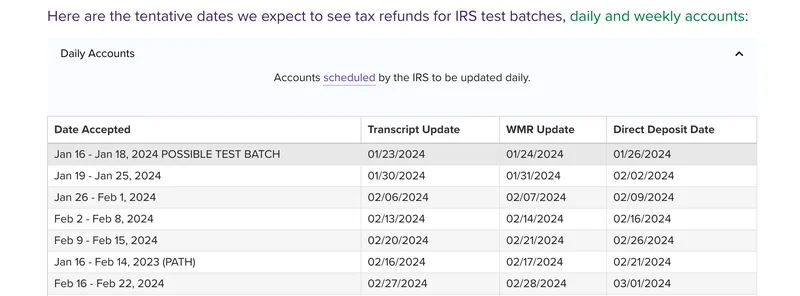
The American Worker Rebate Act, proposed by Senator Hawley, aims to send checks ranging from $600 to $2,400 to American taxpayer families. While it hasn't passed Congress, it underscores the ongoing need for economic support. But what if, instead of relying solely on federal action, we empowered states to tailor such programs to their unique circumstances?
It’s not just about the money, either. These state programs can foster a stronger sense of community and civic engagement. When people see their state government actively working to improve their lives, it builds trust and encourages participation in the democratic process. It's a virtuous cycle: engaged citizens demand better governance, and better governance leads to more engaged citizens.
Now, let's be clear: this isn't a perfect solution. There are challenges to overcome. States need to ensure that these programs are well-designed, transparent, and free from fraud. They need to find sustainable funding sources and avoid creating unintended consequences. And of course, we need to hold them accountable for their performance.
But the potential is undeniable. We're on the cusp of a new era of economic policy, one where states are the drivers of innovation and the champions of their residents' financial well-being. And that, my friends, is something to be truly excited about.
I'm reminded of the early days of the internet. Skeptics dismissed it as a fad, a playground for nerds. But visionary entrepreneurs saw the potential to connect the world and transform every aspect of our lives. Today, we stand at a similar inflection point with state-level economic policy. It may seem like a small thing, but it could be the spark that ignites a revolution.
The Dawn of Localized Prosperity
In short, while the federal stimulus checks might be a mirage, the real oasis is state-level innovation. Don't wait for Washington; look to your own backyard. The future of economic relief may be far more local than we ever imagined.