Macau's Gamble: Can Healthcare Truly Diversify a Casino Economy?
Macau, the former Portuguese colony that transformed into the world’s gambling mecca, is now making a calculated bet on healthcare tourism. The National Immigration Administration of the People’s Republic of China is expanding its talent visa program, aiming to draw skilled professionals to the region. This move, coupled with the opening of luxury medical facilities like the iRad Hospital, signals a significant shift in Macau’s economic strategy. But can this pivot away from casinos truly pay off?
A Diversification Play?
For years, Macau has relied heavily on gaming revenue. The opening of the gambling market to global casino operators in the early 2000s fueled a boom, but it also created an unbalanced economy. Gaming-related taxes still make up the bulk of the government’s income. During a visit in late 2024, Chinese leader Xi Jinping emphasized the need for "economic diversification" and "new industries with international competitiveness," suggesting the pressure to change is coming from the very top.
The expansion of the talent visa program is a key piece of this diversification puzzle. By extending the program to the entire Yangtze River Delta and Beijing-Tianjin-Hebei regions, as well as all national pilot free trade zones, Macau is casting a wider net for talent. China expands areas for pilot program allowing mainland talent to travel to and from Hong Kong and Macau Outstanding talent, scientific researchers, cultural and educational professionals, healthcare personnel, legal experts and other qualified individuals working in these regions may apply for multiple-entry talent visas to Hong Kong or Macau, valid for periods ranging from one to five years. Each stay in Hong Kong or Macau shall not exceed 30 days and applications require supporting documentation from relevant talent authorities or eligible employers.
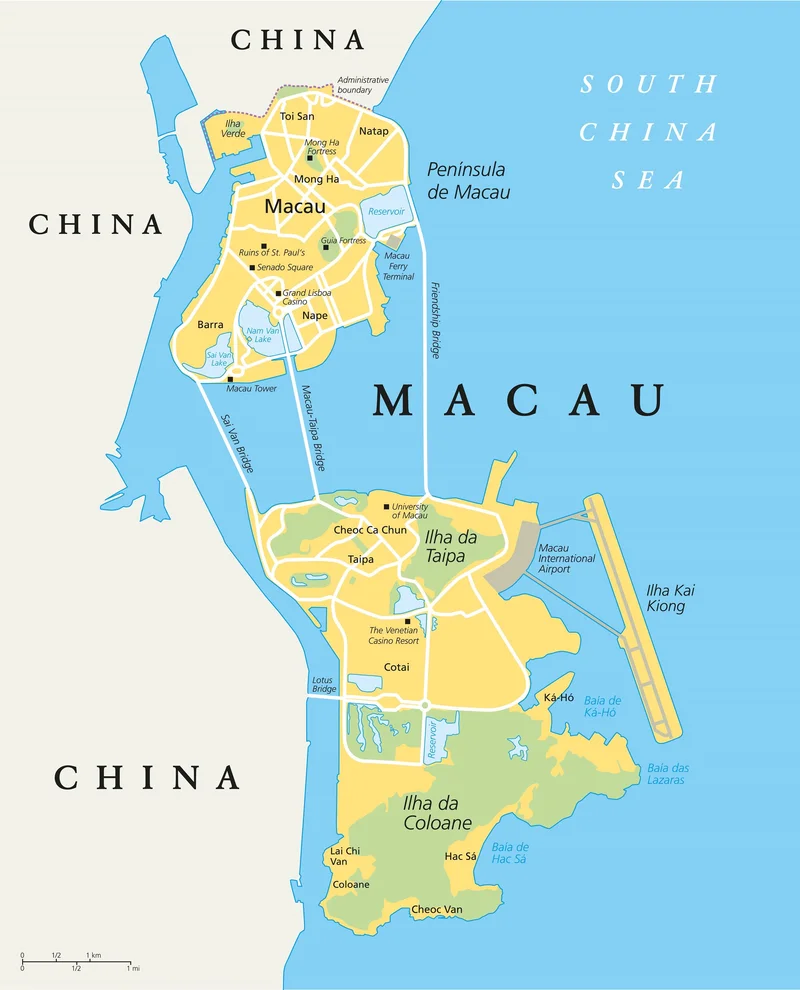
This isn't just about attracting more bodies; it's about attracting specific types of expertise. The focus on healthcare personnel, for example, directly supports the growth of the medical tourism sector. The iRad Hospital, located in the Hollywood-themed Studio City casino resort, is a prime example of this strategy in action. The facility offers luxury medical services, including health screening, advanced scans, and cosmetic procedures, hoping to entice visitors to stay longer and spend more.
The 240-hour visa-free transit policy – now available at Hengqin Port and the Hong Kong-Zhuhai-Macao Bridge – will also help. Travelers from 55 designated countries can enter mainland China without a visa for up to 10 days, potentially drawing them to Macau for medical treatments.
The Numbers Game
iRad Hospital estimates that Macau attracts almost 40 million visitors a year. The hope is that offering healthcare services will encourage these visitors to extend their stays and increase their spending (the average gambling tourist probably doesn't spend much on scans). But here's where the data gets interesting.
The global medical tourism industry is worth tens of billions of dollars, with projections indicating significant growth in the coming decade. Asia is already a major hub, with wealthy patients flocking to South Korea for cosmetic surgeries and Singapore for advanced treatments. India, too, is a popular destination, offering more affordable options. So, Macau is entering a competitive market.
But can Macau really compete? The city has a unique selling point: proximity to mainland China. However, it also faces challenges. The crackdown on corruption and displays of wealth on the mainland (encouraging "common prosperity" instead) may deter some high-rollers from seeking luxury medical treatments in Macau.
I've looked at dozens of economic diversification plans, and the success hinges on execution. The talent visa program, for example, requires "supporting documentation from relevant talent authorities or eligible employers." The efficiency and transparency of this process will be critical. Will bureaucratic hurdles stifle the flow of talent? Or will Macau create a streamlined system that attracts the best and brightest?
And this is the part of the analysis that I find genuinely puzzling: What specific metrics will be used to measure the success of this diversification effort? Will it be the number of medical tourists, the revenue generated by healthcare services, or the reduction in reliance on gaming revenue? Without clear benchmarks, it's difficult to assess whether Macau is truly making progress.
Is Macau Really Serious?
The elephant in the room is that Macau's identity is inextricably linked to gambling. Can a city known for casinos truly transform itself into a healthcare hub? It's like trying to turn Las Vegas into a center for organic farming. The underlying infrastructure, the cultural mindset, and the existing business networks are all geared towards a completely different industry.
What incentives are in place to lure top-tier medical professionals from established hubs like Singapore or even Hong Kong? What R&D investments are being made to foster innovation in medical technology within Macau itself? The sources are silent on these crucial points.